Chartposting (27 Aug -2 Sept 2018): Denzel Curry, Death Grips, Unravel, Ecostrike, Sons of Kemet and more


Hello everyone, welcome back to regular programming but irregular scheduling. I made the chart last weekend but I only had time to write my mini-reviews/insights today. Last week I was on a heavy rotation of hardcore of all stripes. Ranging from the Bolt Thrower charged, death metal influenced hardcore of Xibalba to the mind-boggling technical proficiency of Frontierer's mathcore. However, that didn't mean I ignored all other genres, which explain Ulver (synthpop, electronica) and Sons of Kemet (jazz, afro-beat) in the chart too.

But anyway, Chartposting on Novelty Chaser is ONE MONTH OLD. I'm hoping this doesn't die out like all the other stupid endeavors. Maybe the one-week spacing might help out rather than cramming so much writing in the space of two days, on top of all the other writing I do for work.

Even when it came to sludge metal this week, I was listening to Eyehategod's closer to hardcore punk/crust punk era over Crowbar's doomier material I heard the week before.

Anyway, here's the list for this week:

Chelsea Wolfe - Hiss Spun
MØL - Jord
Converge - The Dusk In Us
Denzel Curry - Imperial
Injury Reserve - Floss
Ulver - The Assassination of Julius Caesar
Denzel Curry - TA13OO
Eyehategod - Eyehategod
Converge - All We Love We Leave Behind
Cobalt - Slow Forever
Frontierer - Orange Mathematics
Sons of Kemet - Your Queen Is a Reptile
Frontierer - Unloved
Eyehategod - Dopesick
Bad Religion - The Empire Strikes First
ecostrike - Voice of Strength
Jesus Piece - Only Self
Xibalba - Tierra y Libertad
Sectioned - Annihilated
Unravel - Eras Of Forfeit
Ulver - Perdition City
Nick Drake - Pink Moon
Zeal & Ardor - Stranger Fruit
Power Trip - Nightmare Logic
Death Grips - Steroids (Crouching Tiger Hidden Gabber)

For several weeks in a row, I've been "promising" more hip-hop and rap, and I have Zel on repeat over the last week. Like JPEGMAFIA, Denzel Curry has been my favorite mad scientists of the genre, except that Zel still has one foot in the poppier world. So let's start with Zel's new record TA13OO.


Choice Cuts


Name: Denzel Curry
Album Title: TA13OO
Genre(s): Trap Rap, Hip-Hop, Experimental, Noise Rap
Year of Release: 2018

Quite a number of people thought the album was inconsistent because it ranged too many styles. To me, it makes a lot of sense seeing how Zel purposely divided the album into 3 different parts. Also, since when diversity became an issue in rap? I appreciate the various different sections in this and it shows the different shades (pardon the pun) that Zel has. How many producers have you heard put out so many styles and do it well?

Denzel to me the template of hip-hop's future. Just like how rock is respected for their musicianship, the ability to create diverse beats in DAWs will be a respected skill in the future. Just like how Metallica can create groovy riffs, thrashy riffs, punky riffs or even ballads while still under the umbrella of metal, Zel leads the path from the pop lane to the trap trappings (sorry for the puns again) and to the borderline industrial edge in the third section of the album.

Now enough with my rant and my lame attempt at being musical Nostradamus. Also, shout out to Hip Hop DX for coining the pop lane.

The first part out of three part of this album dubbed "Light" serves like a bridge from 90s southern and east coast hip-hop on the poppier side of things. I can hear traces of Outkast's first two albums and the cheerier version of A Tribe Called Quest. While it isn't my side of rap since I've too deep down in the grittier side of things. It isn't Zel's fault but my pre-conditioning.

It's the second and third part of the album that got me interested and reflected the album cover more. The highlight of the second part was the Clout Cobain. I have a feeling when Zel was writing this song, he was listening to rock music and as from the title implies, probably Nirvana. The sad melody with trap on top of it sounds like Lil Peep growing up with 90s alt-rock rather than midwest emo. Take a guitar to this, you'll sound like a band from Seattle. I wouldn't be surprised honestly if Zel listened to Lil Peep and thought he could pull off that sound better. With all respect to Peep, his emo trappings and crooning sounded at odds with his trap influences. So he sounded like an angsty and bratty kid who's disappointed with petty setbacks while the darker vibe that Zel had, sounded like someone drinking whiskey to temporarily numb PTSD or depression because he went through a lot. 

A similar comparison would be Nine Inch Nail's original version of Hurt versus Johnny Cash's cover. Trent's bratty voice sounded like he was singing problems that could away next week but Cash was singing with a deep voice, sounding like a sage who has seen all the worst parts of the human experience. Broken down to its core, Zel sounded more mature approaching this spin of melodic minor chord trap music.

The third part of this album comes from the edgier side of Zel (in a good way.) While songs like Clout Cobain were talking about depression, suicidal tendencies, and the mad demands of a media circus. The third part, dubbed "Dark" came from the angle of a frustrated man, ready to break the system. Of course, he had to bring some of angriest rappers of this generation, Zillakami and JPEGMAFIA. I'm not really a big fan of Zilla and longtime readers know I'd stan, Peggy. But both worked so well in delivering their anger, almost hardcore punk like barks. The three trading verses just made me want to get into a mosh pit, grab the mic from Aaron Heard and spit verses, oh wait, this is Jesus Piece. But I fucking feel like listening to the rap equivalent of Jesus Piece. The multiple beat changes further cemented Zel's place as a diverse DAW-player. Is that term a thing yet? I guess I'll coin it.

If this is the future of hip-hop, experimental rap then I'm happy. This feels like going through my own experience of discovering hardcore punk like the old heads did in the 80s/90s. This is Zel when he's still young. Imagine if he honed his craft further, maybe he'll even supersede JPEGMAFIA and become king of experimental rap.


Name: Death Grips
Album Title: Steroids (Crouching Tiger, Hidden Gabber)
Genre(s): Noise Rap, Digital Hardcore, Gabber
Year of Release: 2017

First of all, let me address the hidden gabber in the room. I know this isn't Death Grip's latest release and one day I'll get around to writing about their weirdest, goofiest, and most challenging third eye opening material by far, Year of the Snitch.

But for this week, I want to talk about Death Grip's most brutal and relentless record yet; Steroids. If No Love Deep Web was old school death metal ala Obituary with the evil plodding synths replacing the shovel-in-the-dirt sounding deep riffs. Then steroids, pardon the pun is like a juiced up, version of No Love Deep Web on steroids. It's the later era, "Code Is Red" era Napalm Death version of No Love Deep Web.

If the synths of No Love were bottled up and the riffs and Slowly We Rot is like a giant aircraft carrier on shaking the stilts of a tiny coastal village, then Steroids is like an M1 Abram tank.

You know this has hardcore punk, bordering grindcore written all over it when Ride belts out "MY WHOLE LIFE, MY WHOLE FUCKING LIFE" within the few minutes of the 20 mins + track, accompanied by some of the vicious snare-drumming Zach Hill has ever done. Ride's voice here is probably the most violent he has ever been. There's less of a stress on his rhymes. He isn't interested in that. He wants people to know he's angry first. Figure out the fucking message later. The screams were pretty low on the pitch register, that he's so close to actually growl like on a death metal or grindcore record. He sounds like a refined later day Barney Greenway here. On the album that preceded this EP, Bottomless Pit, Zach went out on a black metal like assault with blast beats. Steroids sounded a madman beating his victim repeatedly, allowing them to breathe for a second and continue beating over and over.

This is one of their most violent records ever. Makes so much sense why I was listening to this back to back to Xibalba and Unravel. Mosh friendly, bastardized version of industrial rap. If you have a friend who listens to metal and wants to get into Death Grips, then this is the EP you should give to overload their mind. Fuck, can this even be called rap?


Name: Unravel
Album Title: Eras of Forfeit
Genre(s): Death Metal, Hardcore, Grindcore
Year of Release: 2018

Speaking about Unravel, let's talk about them. The easiest way for me to explain Unravel is basically Xibalba's Australian cousin. If Xibalba was interested in combining the grooves of Bolt Thrower's brand of crusty death metal, with neanderthal Hatebreed styled breakdowns then Unravel takes the same formula only to dial up their interest in power chord charged hardcore.

Make no mistake, the backbone of this band is death metal. But think of hardcore passages, constructed surrounding chunky, meaty death metal riffs. They have no interest in making you think. All they want to do is smash that message into your head. Even the lyrics reflect this, with that guttural voice with their super political left wing orders.

Regular death metal still wants to show off. Even Xibalba still wants to show off. But Unravel uses death metal riffs as a blunt instrument. It's the musical equivalent of saying fuck discourse, let pummel Richard Spencer and all his pathetic Alt-Right neo-nazi trash into the ground to give them a taste of cement.

While in the past, death metal and hardcore has married before. Just like how neo-nazis and punks used to fight in bars, the same thing is going on with Proud Boys or the Alt-Right scum exchanging blows with Antifa. A different skin, updated with a new context. And no one plans on holding back.

The best description I've heard of this band or this sound, in general, is that this is what deathcore should've sounded like.
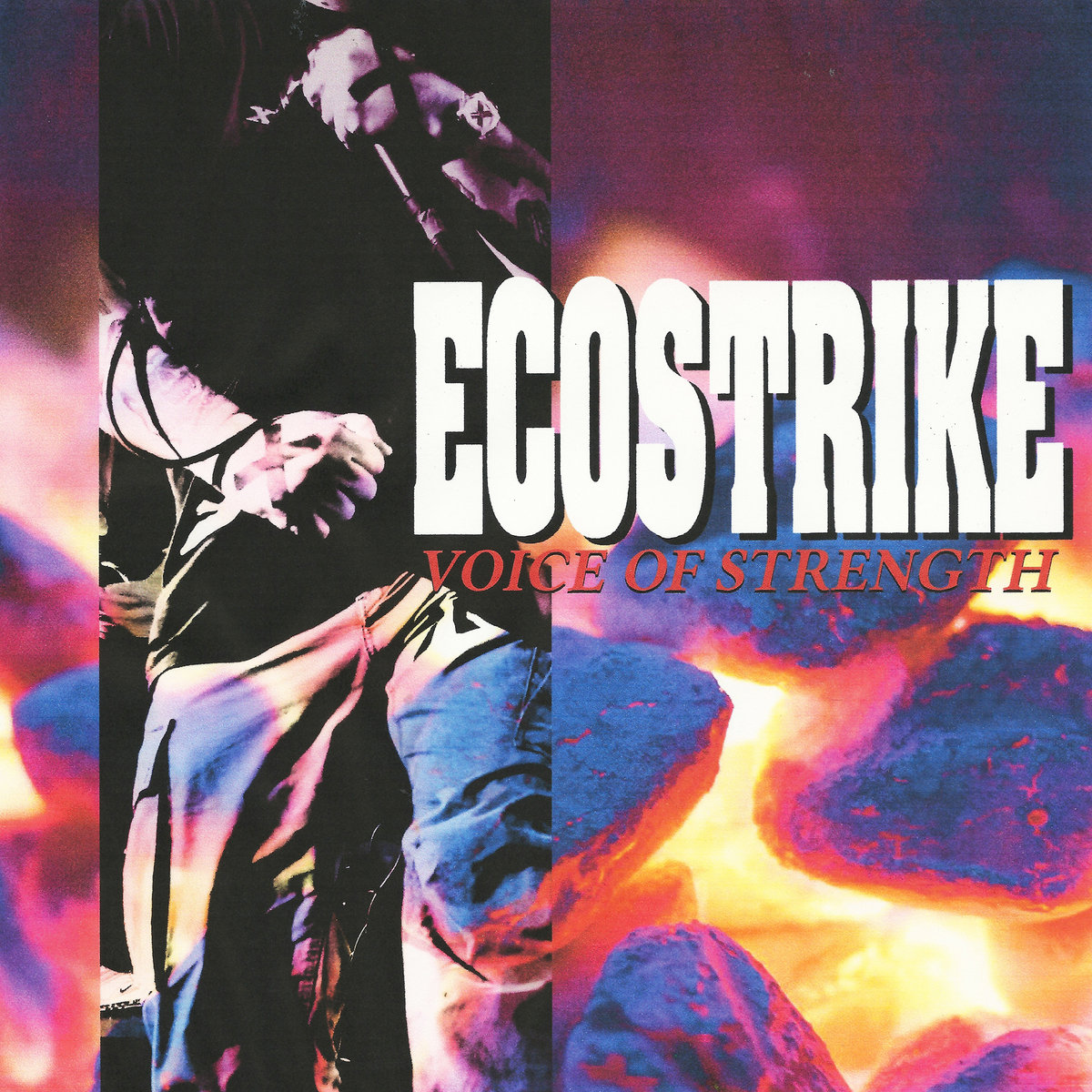


Name: Ecostrike
Album Title: Voices of Strength
Genre(s): Hardcore Punk, Crossover-Thrash
Year of Release: 2018

When I first saw the cover of this record, I thought this was from the 90s. Maybe it's from Boston, Massachusets or New Jersey. In general, they did pay homage to the area and era but that was not the impression when I heard the first few riffs of Still Remains.

Thrash Metal. That's what I thought at first but that's only like 40% of their sound. What started off as a punkier version of Anthrax coming through, evolves more intro the crossover thrash of Cro Mags with cleaner production. At that point, I knew they were not from the 90s. It's too clear for the era's grit. But I mean it in the best way possible.

By the time the vocals kick in, they start to remind me of New York hardcore barks. At that point, I knew they're going to be based closer to hardcore over metal. It's simple, straightforward and it felt like a well-done homage to the era.

But the main reason why I decided to put this in the choice cut section is that while I thought this was a 90s homage, I realized that this couldn't really exist in the 90s because these scenes were still disparate or at least trying to form some kind of shape. Crossover Thrash didn't really cross into this borderline post-hardcore sounds in the middle of the record. If this existed in the 90s, it would probably what people would imagine if someone tried to describe early era Converge but not quite nailing it. It's a 90s concept with 90s ingredients, but could only exist today. Just like the synthwave pseudo soundtracks we've heard in recent years. Oddly enough, it's the audio equivalent of retrofuturism.
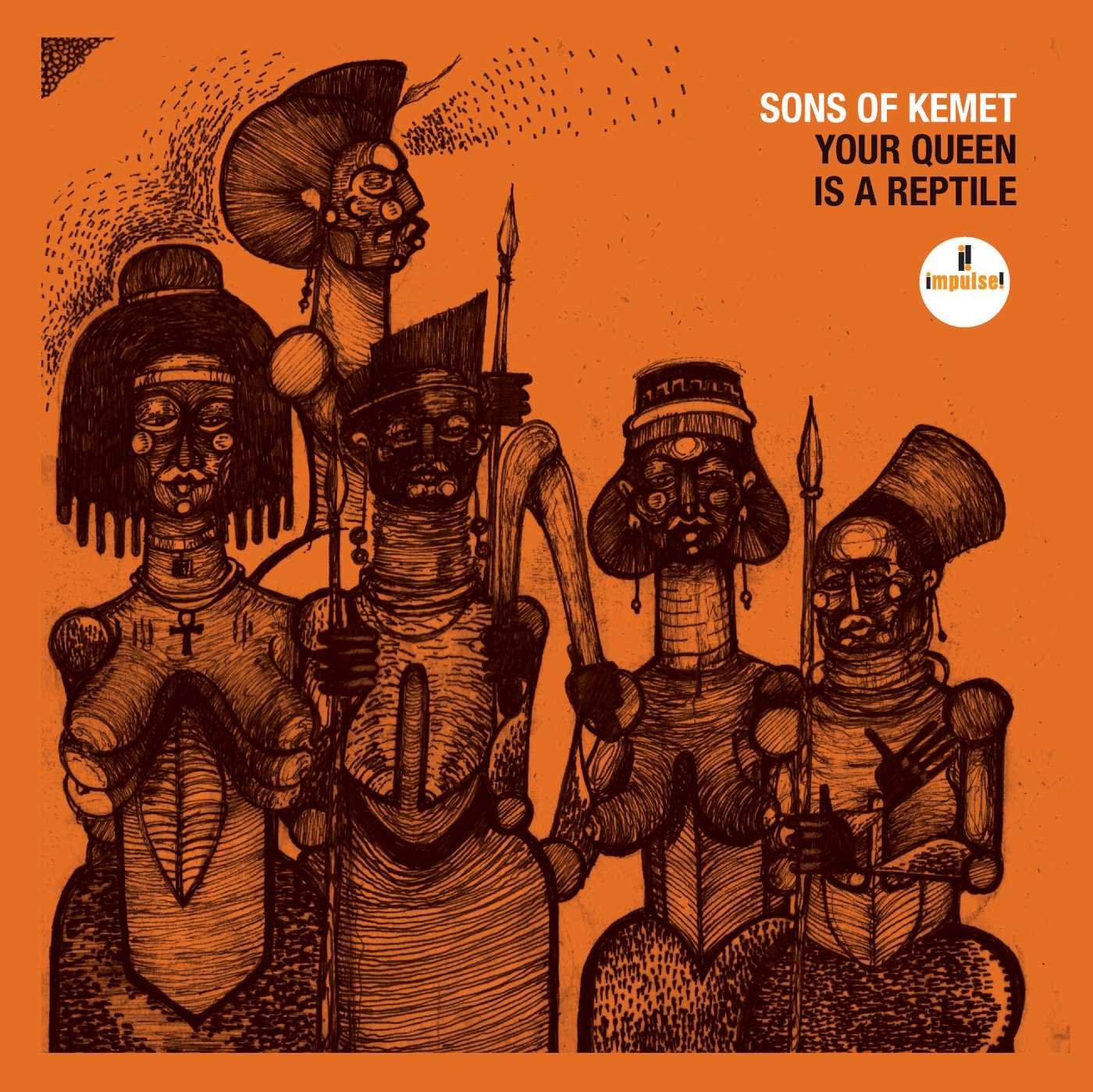


Name: Sons of Kemet
Album Title: Your Queen is a Reptile
Genre(s): Jazz, Afro-Beat, Spoken Word
Year of Release: 2018

This is the angriest jazz record I've ever heard. Maybe this is premature but his album is a strong contender for Album of The Year for me. Now, this is the first time ever in my life I've made that statement for a jazz band. And for a good reason. I've only started learning the necessary vocabulary to describe jazz. Oddly enough, a huge chunk of my informal jargon jazz education came from metal nonmenclature adopted by metal bands.

But let's talk about this supposedly the angriest jazz record I've heard. Hopefully time won't bite me in the ass when I discover Slayer level aggression from a jazz record in the 70s. But if I do, I'll happily embrace it.

This feels like an album meant to be played in a protest. The saxaphone here acts like a guitar stacking riffs on top of each other. Instead of asking you to headbang, you feel like giving the most intense dance off, staring your opponent in the eye, as if about to get into a mosh, or a fight. The afro beat and steel pans portrays angry carribean crowd. As all the instruments come together, without distortion mind you feels like the flurry you'd hear in the climax of sludge record. The stacked riffs bleed into each other creating a strong buzz.

Unlike most jazz records I've listened to, this is probably the first time I've heard an angry spoken word artist barking orders. Like a public speaker dropping intellectual arguments in the middle of a protest, urging people to follow his rally, the vocalist here wants you to feel his anger and his message. You don't need to follow his chants. Just listen and shout back in agreement in between his bursts. At times he starts screaming as if he was on a hardcore punk record. It's jazz you can mosh to when the aggression is scaled up with accompanied stacked saxaphone riffs. The politically charged lyrics has no interest in pretension.

Remember when I said Unravel took a genre like death metal that loves to show off, and strip it down to it's basic to use it as a blunt instrument? Sons of Kemet says fuck it, takes the building blocks of jazz and removes the pretension to use it as a protest medium. Like a well written chant holding nuance, the complexity of the music is in the background but smashed into your face to get the message across.

Can I call this Protest-Jazz?

Chartposting (20-26 Aug 2018): Moodie Black, Jesus Piece, Jackie Frank Russell III, Sectioned, and More


Last week I said I planned on listening to more hip-hop. Well, that sort of happened. I ended up listening to more experimental rap/hip-hop albums instead. The closest to traditional rap here is probably Outkast and Denzel Curry. Even then the two is relatively experimental. Stankonia didn't sound anything like other rap albums of its time. BOB, had a mix of synth leads, guitar solos and gospel music thrown in. Alright, enough with Stankonia, I'll focus on the lesser known albums instead. 

Also, I think this is my first time arranging my albums in some kind of color scheme. Normally it doesn't bother me but the yellow-to-orange range was screaming coordination. Too good to give up.

Anyway, here's last week's album list.

Moodie Black - Lucas Acid
Sons of Kemet - My Queen Is Harriet Tubman
Tyler, the Creator - Flower Boy
Jesus Piece - Only Self
Mouthbreather - Dollmeat
Pulsing x Void Dweller - Killscreen
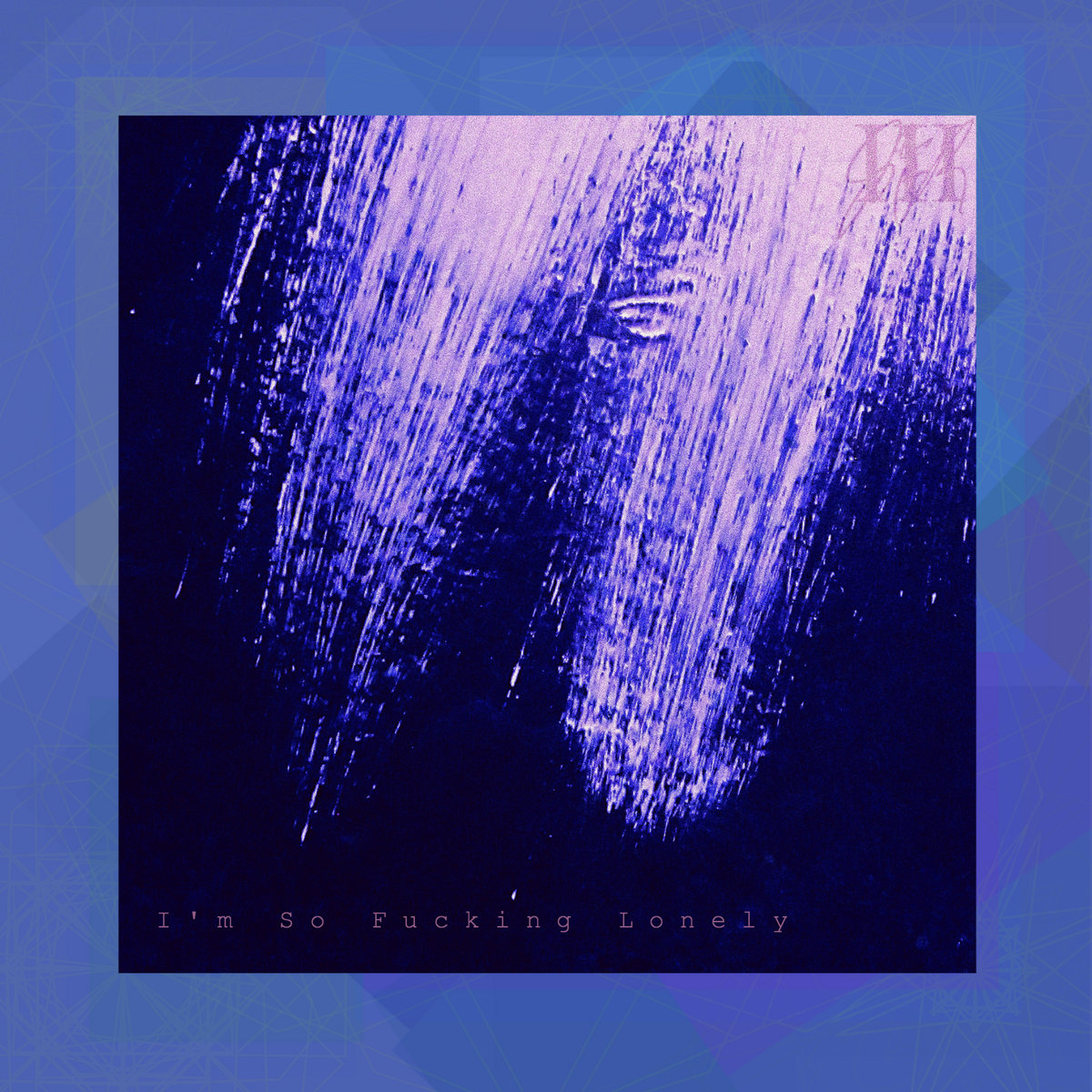
Jackie Frank Russell III - I'm So Fucking Lonely
Power Trip - Nightmare Logic
White Lung - Deep Fantasy
The Comet Is Coming - Channel The Spirits
JPEGMAFIA - VETERAN
Death Grips - Jenny Death
Killeur Calculateur - Arus
Pallbearer - Heartless
Converge - The Dusk In Us
Converge - All We Love We Leave Behind
Street Sects - End Position
Echo beds - Buried Language
Denzel Curry - TA13OO
Eyehategod - Eyehategod
Sectioned - Annihilated
OutKast - Stankonia
Bolt Thrower - Those Once Loyal
Nails - You Will Never Be One Of Us
Crowbar - The Serpent Only Lies

I have a feeling this will be my most diverse chartpost/music round up so far. So anyway, here are the choice cuts for the week.

Choice Cuts:


Name: Moodie Black
Album Title: Lucas Acid
Genre(s): Noise Rap, Industrial, Shoegaze
Year of Release: 2018

I'm pretty sure most noise rap artists roll their eyes whenever they read reviews about their music being compared to Death Grips. At times I pity them. JPEGMAFIA's trap flavored noise rap and industrial gets the unfair treatment, just because it's abrasive. At times I think it's necessary seeing how Death Grips popularized the genre and used the power of memes to propel them into the pages of Pitchfork. And to be fair, they did add enough of their flavor to make them stand out and be unique.

Unfortunately for Moodie Black, I have to compare Lucas Acid to Death Grips to describe this album, despite Moodie Black being longer in the scene and probably were one of the earlier pioneers of noise rap. More specifically I have to compare them to No Love Deep Web (NLDW).

This feels like a more mature, tranquilized version of NLDW. From the stripped down, yet face punching synths production to the barking delivery of Ride. However where NLDW just sounds like a barrage of heavily distorted synths from a Godflesh record, Lucas Acid provides a direction for the synths. It is abrasive, yet melodic with a focus on the shoegaze-inspired distortion, unlike the piano melody accompanied abrasion of JPEGMAFIA. The music of NLDW feels contained yet Lucas Acid's beats have enough space from the layers of gazey reverb. The drums are tight, mechanical, and cold while NLDW had a lot more space to breathe like a hardcore punk record.

Yet both the synths in the track No Love and v a n o w e n f. p i e r r e m o t t r o n sound like sister synthlines. Abrasive, yet atmospheric. I feel like walking through a dilapidated neighborhood with residents tired of outsiders when listening to it. While No Love ends with a beatdown (no pun intended), v a n o w e n f. p i e r r e m o t t r o n ends with you walking away to a trailing bass.

The lyrics are also some of the most honest experiences I've heard for quite some time. K, one half of Moodie Black is a transgender POC in a world of Trump. I don't know enough about the transwoman experience and transition so as a cisgendered man, it sounds refreshing in a genre that is infamously known for its transphobia and misogyny.

I would highly recommend this to anyone who enjoys noise rap. They've been ignored for far too long.


Name: Pulsing x Void Dweller
Album Title: KILLSCREEN
Genre(s): Noise Rap, Industrial, Chiptune, Digital Hardcore, Glitch Hop
Year of Release: 2018

Just to be clear, I'm Facebook friends with Trevor Barker aka Void Dweller. He gave comments and advice for my previous industrial and noise rap records before too.  So maybe there is some kind of bias towards this record. This is the musical equivalent of taking a crowbar to your manic cousin's Gameboy as they scream in sheer horror about the destruction you caused. It's exhilarating, exciting, and would do it again just to see the face of your distraught cousin. Yes, I know I sound like the worst babysitter ever and you're probably right.

If Moodie Black feels like a gazey version of NLDW (sorry noise rap heads for the Death Grips reference over and over again), Trevor's collab with chiptune/digital hardcore producer is what happens when you have a post-hardcore kid listened to Death Grips and decided rapping is cool. Previous Void Dweller records had Trevor screaming his lungs out like hardcore vocalist all while delivering bars, on top of samples from metal bands. He sampled Electric Wizard for goodness sake. This EP, on the other hand, is him taking that influence and have 8bit sounds spread on it.

Old Death Grips is all about abrasion and aggressiveness while later day Death Grips is a bit more emotional and took a myriad of influences from prog rock to psychedelia. This has clearly divided fans dividing them into two camps, especially after the release of Year of The Snitch. The first camp had more fans from punk and metal backgrounds while the second had more fans who were just attracted to outsider-art, avant-garde noise, and all-out experimentation.

This EP by Void Dweller and Pulsing is for fans from the first camp. It's what fans imagined Death Grips to be about and what they wanted Death Grips to be. A little bit more punk, abrasive, and angrier. There's nothing wrong with that. And if I feel the need to spend time with my punching bag and don't feel like listening to metal or punk, this might do the trick.


Name: Jackie Frank Russell III
Album Title: I'm So Fucking Lonely
Genre(s): Progressive Metal, Mathcore, Electronica, Funk, Avant-Garde
Year of Release: 2018

Yes, the album name makes this sound like it's some kind of emo rap. But no, this is far from Lil Peep. The reason why this post is out on a Monday instead of a Sunday this week is because I was struggling to describe this whole album.

The album starts off with weird electronica that explodes into a blast of mathcore with chunky progressive rock ideas that are accompanied by a flurry of synths. If that wasn't weird enough, the second track vibe (yes, small letter v) was a cross between Faith No More, Haken and funk rolled into one track. What's amazing is that the song transitions from prog rock, funky vibes and afro beat yet still managed to sound coherent. There are like a hundred ideas in this track that I didn't know it could work if Mike Patton wasn't the central glue.

If the album wasn't Mike Patton enough for you, the following tracks sound Enslaved trying to write a Converge record. Imagine the chaotic hardcore noises but explode into the beautiful blast beat led clean vocals progressive rock Enslaved used to pull off in between their black metal-tinged progressive metal.

I want to describe this as Haken meets Converge meets Faith No More but even then it doesn't do it justice. Maybe a Dillinger Escape Plan with the jazz influence replaced with a funk vibe (pun not intended) but written by Haken. This review, if you can call it so, just jumps into a thousand concepts but that's how it feels like listening to this EP. But Jackie's versatility makes the whole thing more coherent.  Just listen to the madness for yourself.

Weirdest (but good) experience of the week.


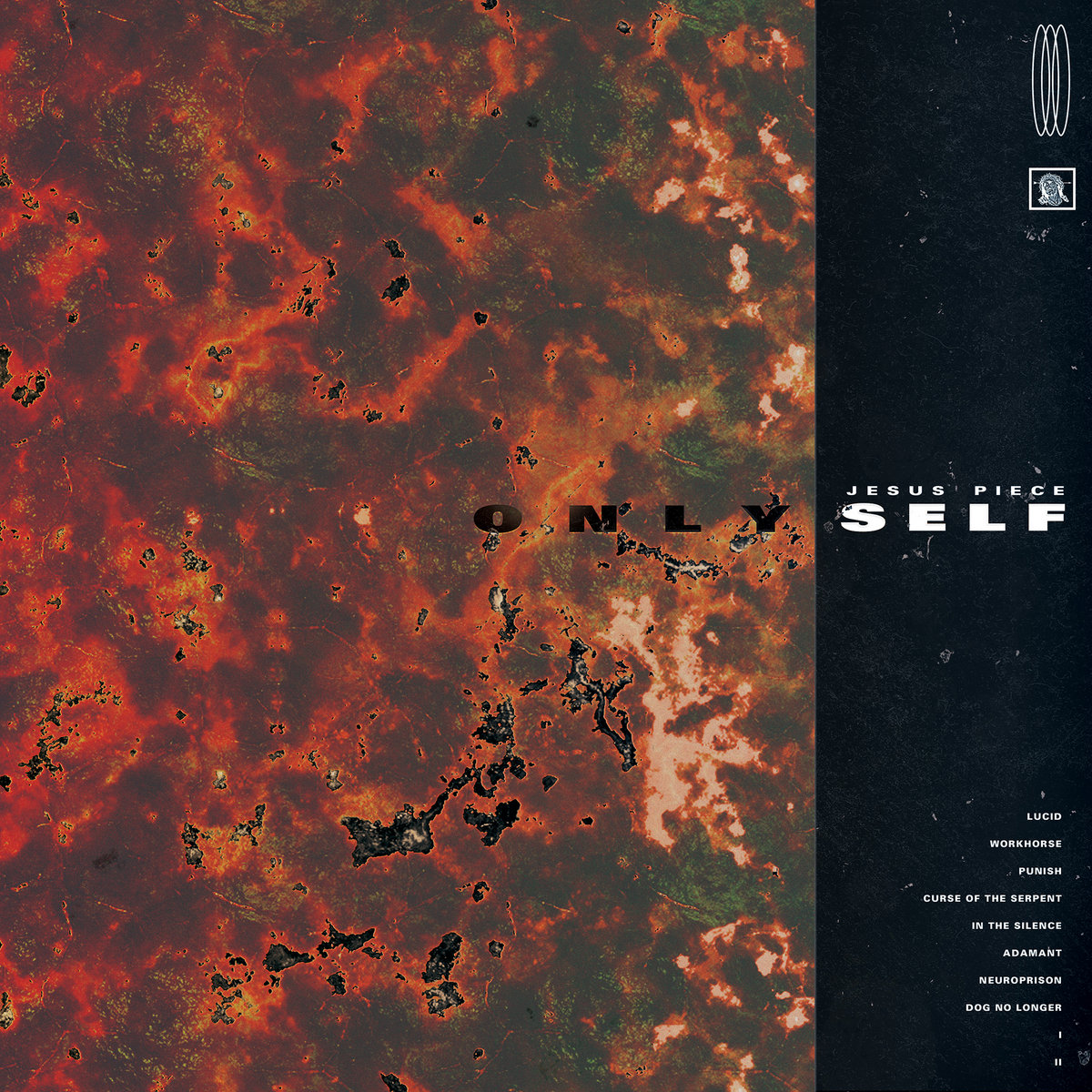
Name: Jesus Piece
Album Title: Only Self
Genre(s): Hardcore, Metalcore, Sludge Metal
Year of Release: 2018

It feels weird that this is probably the most straightforward release I've picked to talk about this week. Despite the combination of sounds, there is no pretension coming from this hardcore band. They just want to create music that fucking rips and forces people to mosh. Even since the first time I heard the band, I was listening to them in my bedroom in the middle of the night but I can't stop feeling the need to mosh.

This is Xibalba mixed with sludgy and doom metal riffs. Despite the high-speed aggression and Bolt Thrower influenced riffs the band isn't afraid to throw in chunky sludge riffs. They fall into breakdowns that could easily invite crowdkillers into mosh pits, yet they don't sound like dumb one note chugs. The breakdowns are easily some of the heaviest Crowbar influenced riffs. The addition of these different influences doesn't just exist for the sake of experimentation but they go hand in hand as if they were natural. Which makes sense since the Both Thrower sound has long influenced this type of beatdown hardcore with their death metal like drumming and Crowbar's thick sludgy riffs have its roots in hardcore. So everything blends so well together. Even the doomier parts that out of context that can be placed in a Pallbearer record blended well with the hardcore flurry of noise.

Aaron Heard's vocals sound like a refined deeper Jamey Jasta if Jamey listened to more grindcore or Bolt Thrower instead of the semi discernable Roots-era Sepultura. His lows are close to death growls but still maintain the hardcore vocal strain that easily dries up the throat. If music vocal stylings were languages, think death metal as Heard's second language while beatdown hardcore as his first language. He is going low but maintains a thick hardcore accent but doesn't give a fuck because he owns the language now. Like a creole that becomes part of the identity of a people if you will.

The angriest record I've heard in such a long time. This is progressive music that doesn't require you to think much. It's like Nails with chunkier writing if you will.

Chartposting (13-19 Aug 2018): MouthBreather, Charles Bradley, Wormrot, and more


There are several repeats from last week like Skeletonwitch and Thundercat. But I was digging them both so much that I had to go for repeat sessions. I could've written on Skeletonwitch last week but I needed a few more listens before I could form a solid opinion on them. I have a feeling that will be the case with Sectioned's new material too.

But anyway, here's a list of what I've listened if you don't feel clicking the image above:

Xibalba - Tierra y Libertad
Man Must Die - Peace Was Never an Option
Sons of Kemet - My Queen Is Harriet Tubman
Zeal & Ardor - Stranger Fruit
The Black Dahlia Murder - Nightbringers
Open Mike Eagle - Brick Body Kids Still Daydream
HO99O9 - United States of Horror
Bolt Thrower - Those Once Loyal
Beaten to Death - Dødsfest!
Mouthbreather - Dollmeat
The Comet Is Coming - Channel The Spirits
Thundercat - Drunk
David Bowie - Blackstar
Charles Bradley - Changes
Ludicra - Fex Urbis Lex Orbis
Sectioned - Annihilated
Kero Kero Bonito - TOTEP
Ne Obliviscaris - Urn
David Bowie - Hunky Dory
Soilent Green - Sewn Mouth Secrets
Wormrot - Voices
Death Grips - Jenny Death
Skeletonwitch - Devouring Radiant Light
Cobalt - Slow Forever
Danny Brown - Atrocity Exhibition

Like last week, this week's list is pretty eclectic ranging from metal, jazz, punk, but not as much hip-hop/rap. With the exception of Danny Brown, Open Mike Eagle, and Death Grips. But I'll try to make amends next week. I already have excellent experimental hip-hop releases lined up.

Choice Cuts:


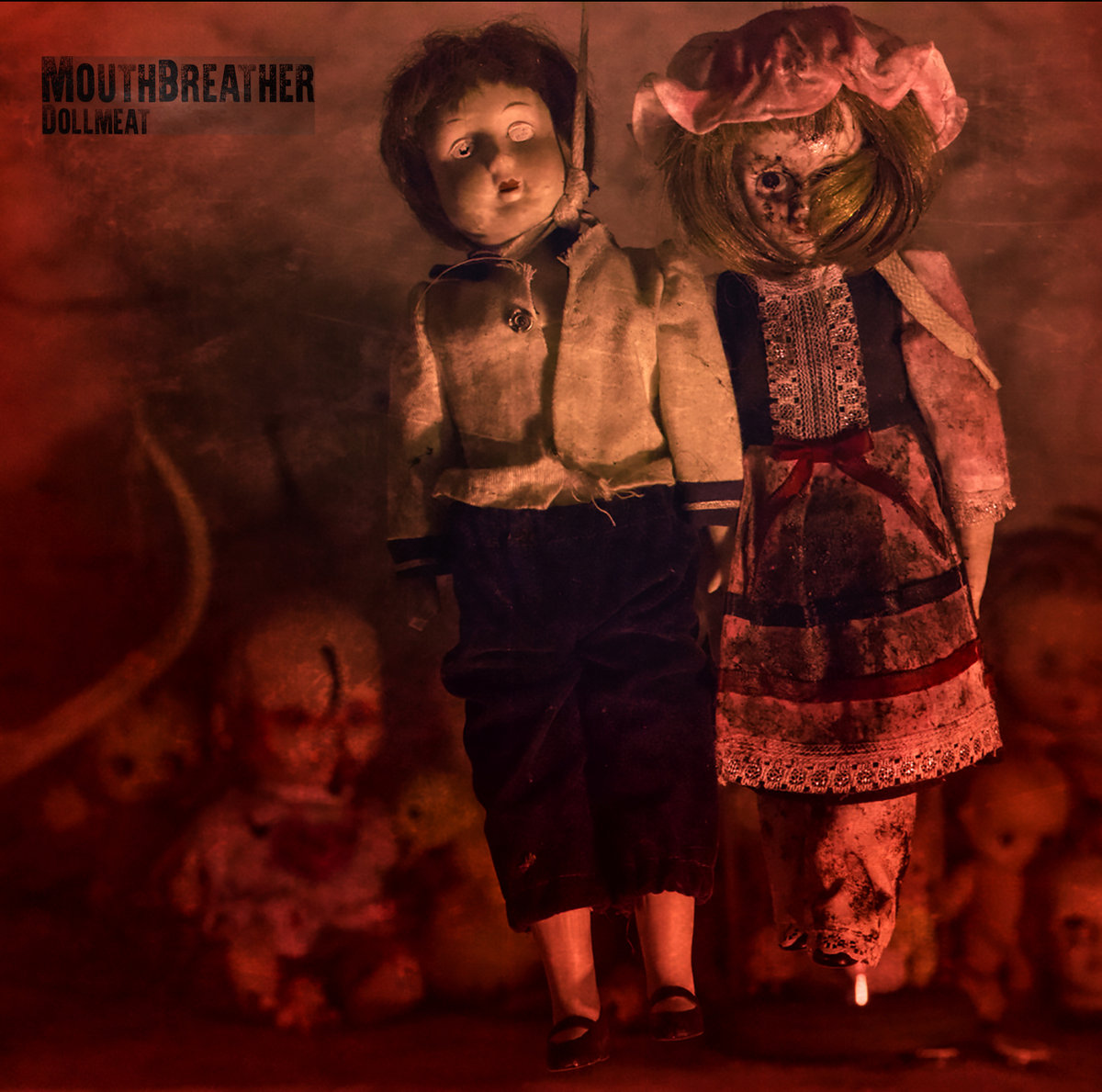
Name: Mouthbreather
Album Title: Dollmeat
Genre(s): Power Violence, Grindcore, Mathcore
Year of Release: 2018

This feels like Nails for people who wanted to maintain the mathcore sensibilities of Dillinger Escape Plan. The hardcore here feels like chaos in a bottle. It's contained, with punchy short songs that suddenly morphs into what I love to call nonsense breakdown atonality, but without TDEP's cheekiness in play. Think of mid-era Converge but with a thicker bottom end sound of their later day sludge inspired sound.

This super short EP is only making me asking for more. *smashes laptop like Thor smashes coffee mugs*


Name: Charles Bradley
Album Title: Changes
Genre(s): Soul, Funk, R&B
Year of Release: 2016

Charles Bradley may sound like he was popular during the heyday of soul but his big break only came at a later age. Unfortunately, his fame wasn't long as he passed away recently. I accidentally discovered when I was listening to genre-bending covers and I came across his cover of Black Sabbath's Changes. While Sabbath's slow ballad in itself has good merits, it feels empty next to their other heavy metal tracks. It just didn't fit.

Bradley's cover, on the other hand, was a perfect fit. Him singing it at such a late age only made the song even more powerful. He owned it just like how Johnny Cash owned Nine Inch Nail's Hurt.

When Charles Bradley belted out "I try to give love all over the world, But I'm tired of being used!" you know he is genuine. There's so much torment underneath that beautiful, almost James Brown like hot honey. His voice glides onto organs that shake like vocal cords from a crying man. All of this under an amazing horn section that makes you question should you cry or dance.

If only Mr. Bradley got to bask under this glory a bit longer.


Name: Wormrot
Album Title: Voices
Genre(s): Grindcore, Crust Punk
Year of Release: 2016

This may be a grindcore record but the melodies here can easily be easily lifted from a post-punk record. While atmospheric black metal for the decade as combined that harsh sound with the melodic sensibilities of shoegaze, post-rock or even folk I think Wormrot is one of the few bands that were able to maintain a super abrasive sound while having harmonies or chord progressions that are emotional. It sort of reminds me of the alternating thrash metal and shoegaze-inspired tremolos of Deafheaven's New Bermuda. The thrash metal and blackgaze were compartmentalized but in this record, the grindcore abrasiveness is melded into the bittersweet harmonies. This is the audio equivalent of evoking a nostalgic past while going through the harshest tribulation in your life just to keep things together.

Make no mistake, grindcore is still the glue here. So everything is still punchy. Maybe this is blackgaze for ADHD sufferers.

If only Gridlink was still active, I'll lump Wormrot and Beaten to Death together into what I call melodic grindcore. No shoegaze is to be found here but I feel like this album might sow the seeds to a "grindgaze" sound. If it's as good as this, then we might have a blackgaze successor.


Name: The Comet is Coming
Album Title: Channel The Spirits
Genre(s): Jazz, Funk, Electronica, Psychedelic, Fusion
Year of Release: 2017

Whenever I write about jazz, I normally run the risk of not having the proper vocabulary to describe it. I'm not knowledgeable enough about the genre for me to use specific jargons. So I resort to describing images and landscapes that thanks to popular culture have been associated with specific soundsapes.

Fortunately this band, The Comet is Coming just begs music bloggers like me to create that intertextual wordplay and play a game of word-image association.

While this album is lead by amazing saxophone melodies, the backbone of this album is made out of excellent psychedelic electronic play. The reverb gives it so much space, giving the auditory illusion that this isn't jazz from Coltrane, but jazz from another plane, something to be played in the bar of a fictional planet. An interplanetary afro-centric cyberpunk display if you will.

The distorted bassline you would normally associate to synthwave or retrowave would pop up once in a while reminding you of those science fiction movies from the 80s. It buzzes like the engine of getaway cars. Yet an afro backbeat glues everything together that forces you to not imagine knight rider. Instead, the buzz forces you to imagine spaceships or other mechanical devices not yet invented. The psychedelic interplay from the keyboards invoke images of spaceship controls with bright, colorful Christmas like lights on tactile buttons.  The saxophone guides you to think of the grimy streets of colonized and terraform planets. Humans may have left Earth, but they brought crime to the new frontiers.

The Comet is Coming begs you to imagine music through retro-future fiction. Part neo-noir, part afro punk, part blaxploitation, and part cyberpunk. Now if only I'm only talented enough to write an interplanetary Shaft fan fiction to accompany this.


Name: Skeletonwitch
Album Title: Devouring Radiant Light
Genre(s): Blackened Thrash Metal, Black Metal, Thrash Metal
Year of Release: 2018

Well, Skeletonwitch is a serious band now. Look, they no longer have the sharp-comic book like, evil yet bright adorned with bright colors that could easily end up in Dark Horse comics styled covers anymore! Their logo for the first time is not in the forefront. Instead, we're treated with a ghastly image that invokes a feeling of dirge, depression, and fear.

But by no way means they're bad now. This instead is a welcome change seeing how there's a lineup shift and they may want to stray away from different iterations of the band.

At their core, they're still a blackened thrash metal band. They still have melodic death metal influenced song structure. However, the melodic black metal side and almost alternative rock like melodies stand out more this time. They're not afraid to show their thrash metal chops. But don't expect riffs you could pummel barbarians with. You're treated with almost doom metal influenced riffs. Some could easily fit in a Pallbearer record.

Imagine the sadder and gloomier parts of old Skeletonwitch. Amp up the black metal sound. Sprinkle on some amazing rock and roll leads. Now drench them in the sadness of a doom record. You have the formula of the new Skeletonwitch.

Just don't think of the old thrash metal focused Skeletonwitch that aimed to have mindless fun. They're gloomy now kids!

Chartposting (5-12 Aug 2018): Khorada, Fauxe, and Thundercat


Over the past few months I've been participating in this thing the interwebz has been calling "chartposting." Basically it's just a chart of the music you listen over the past week. I listen to music probably at least 3-5 hours/day, even longer when I have to write into the night. At the same time, I kind of miss writing about music. So this was a natural fit.

Every week I will explain some of my favorite albums or discovery over the week. Once in a while, I'll write full reviews.

Also, remember music isn't a sport. This is just me discovering soundscapes. So don't expect me to listen to mindblowing albums all the time. It's tiring. Sometimes I just want to sit down and listen to pop.

If you don't feel like clicking on the image above, here's a list:

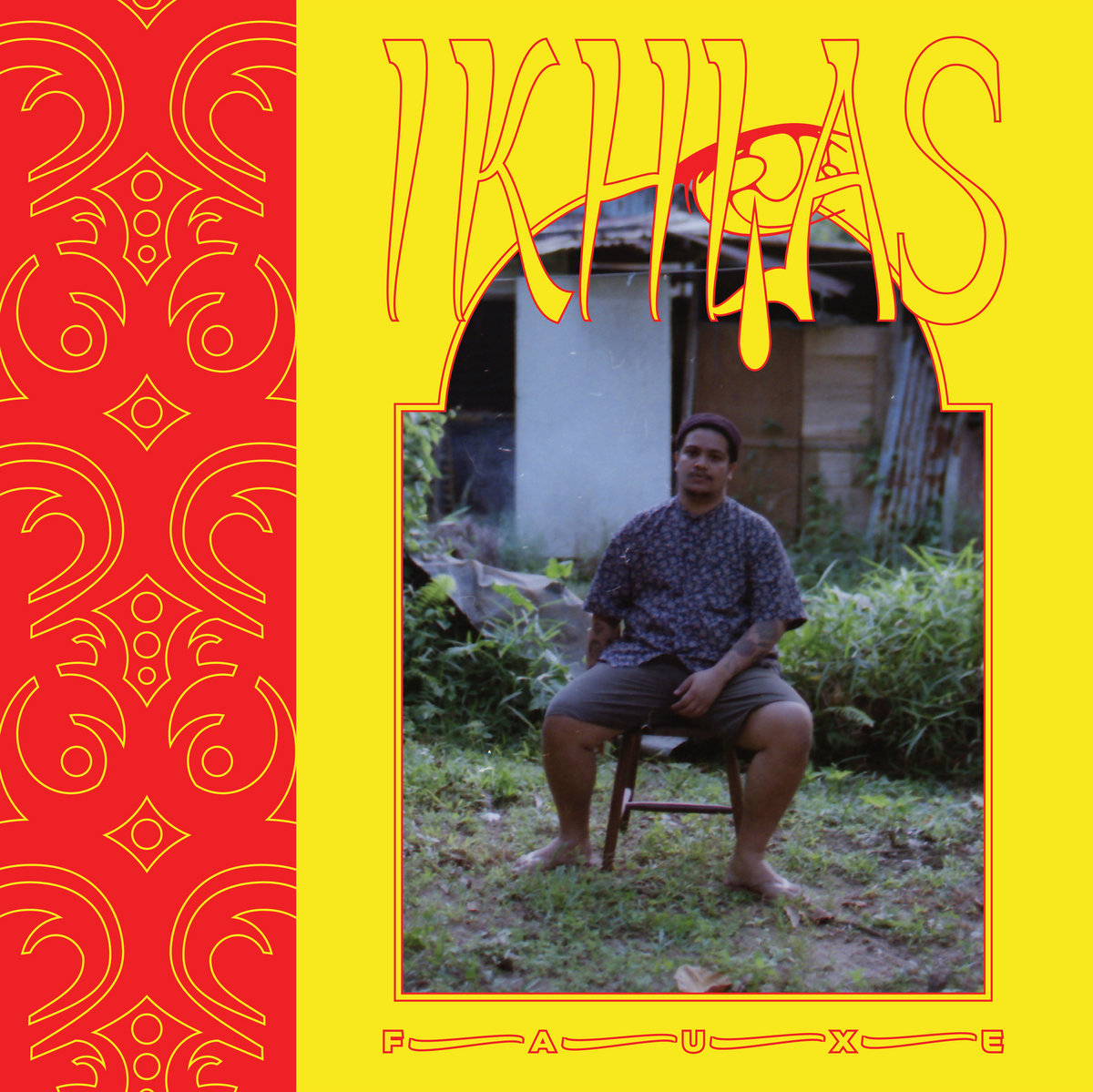
Fauxe - Ikhlas
Pallbearer - Heartless
Killeur Calculateur - Arus
Ramayan - Ramayan
Khôrada - Salt
At the Gates - Slaughter of the Soul
Thundercat - Drunk
The Black Dahlia Murder - Nightbringers
JPEGMAFIA - VETERAN
In Flames - Whoracle
clipping. - CLPPNG
Skeletonwitch - Devouring Radiant Light
Scar Symmetry - Dark Matter Dimensions
Hprizm - Catching a Body
The Coup - Sorry To Bother You: The Soundtrack
King Geedorah - Take Me to Your Leader
OutKast - Stankonia
Ulver - The Assassination of Julius Caesar
Endon - Through the Mirror
Zeal & Ardor - Stranger Fruit
Death Grips - Year of the Snitch
Deafheaven - Ordinary Corrupt Human Love
MF DOOM - Best of MF
Kids See Ghosts - Kids See Ghosts
Deafheaven - New Bermuda

So here are some of my favorites for the week.

Choice Cuts:


Image result for khorada salt


Name: Khorada
Album Title: Salt
Genre(s): Post-Metal, Sludge, Black Metal
Year of Release: 2018

Born out of the ashes of Aggaloch, this feels like a distilled version of the band. While Aggaloch played black metal that flirted with folk rock, shoegaze and post-rock, this is less black metal but still retained the atmospherics of the genres they flirted with. It's calming yet heavy. It's the kind of metal you can headbang and close your eyes while imagining cold forest landscapes of Cascadia at the same time. There are several black metal passages but atmospheric sludge with a folky structure that takes center stage here. Deafheaven probably had more black metal passages than this album ironically.

Image result for Fauxe Ikhlas

Name: Fauxe
Album Title: Ikhlas
Genre(s): Hip Hop, Intrumental, Sampling
Year of Release: 2017

I'm disappointed that I didn't find this gem through Malaysian or Singaporean blogs/music sites. Instead, I found it on Bandcamp's Album of The Day write-ups. This instrumental/beat album samples all sorts of Malaysian folk sounds and added a modern groove to it. Distorted bass over Malay folk songs was something I didn't know I would enjoy. Malaysians and Singaporeans would probably remember Too Phat's sampling of the Malay folk song Anak Ayam for their break out single. If that track was fast food, this is the Michelin star version. With such a wide vocabulary of Chinese, Malay and Indian tracks from the 60s/70s/80s, this feels like a beat album made for Malaya. (Well Malaya mainly because someone needs to make a spiritual sequel to this with Sabahan and Sarawakian samples)


Name: Thundercat
Album Title: Drunk
Genre(s): Funk, Soul, Fusion
Year of Release: 2017

I admit it, I don't have the vocabulary to talk about funk. But all I can is that the track Them Changes is slowly becoming one of my favorite jams. I don't listen to Earth, Wind and Fire a lot of the track does remind me of them. Maybe some funk fanatic can school me on this.

Sidenote however, Thundercat intrigued me also because he is the bassist of crossover/thrash metal/hardcore punk band Suicidal Tendencies. So his admiration for funk is something I feel like I can relate to. The soundtrack of my teenage life started out with punk, metal, alt rock and then expanded to rap. Nowadays I try to expand my musical vocabulary and my pallette. Funk and soul are two genres I think I've admire for such a long time but I had no idea where to start. Glad that Thundercat exists.


What's The Point of UiTM?

by Terence A. Anthony

ENTRANCE TO UiTM SHAH ALAM CAMPUS | SOURCE: TOURISM SELANGOR


Dato Sri Sahol Hamid Abu Bakar's life trajectory reads like material that could be adapted into a heartwarming biography. 


I first heard the life story of my former Vice-Chancellor when I first entered UiTM Shah Alam. The man came from a modest background with parents who only had basic education. Like most who escaped his social class what he ambitioned his life to be at a young age isn't exactly how he lives right now. Instead of academia, he wanted to pursue a life in kickboxing. Who could blame him? When you're not in the ideal place on the social ladder, the frenetic sport provides that escapism.


But the world had different plans for him when representatives from the then ITM or Institut Teknologi MARA approached his family. It wasn't long before he was convinced that he should trade the boxing ring for higher education.


The former vice-chancellor wasn't the kind of student that scored straight As. He wasn't a man of privilege that could allow him access to private tutors or tuition centers.


Instead, ITM offered him to enter an advanced diploma program that admitted students that did well but wasn't enough to get them into degree placements. It was however enough for it to become his stepping stone for him to qualify for Colorado State University's Civil Engineering Degree programme. From there, academia was his lane and he soldiered on.


Years passed by and giving up a kickboxing career earned him a Ph.D. in Civil Engineering from Sussex University in the UK. That feat alone proved that when given the opportunity a man in dire situations can achieve remarkable things.


Not satisfied with just helping himself, he became Vice Chancellor for the now upgraded ITM, UiTM (MARA University of Technology). During his tenure, he introduced a program called Mengubah Destini Anak Bangsa (MDAB or to loosely translate it, Changing the Destiny of our People's Children). Instead of just admitting students into foundation studies, the program was designed to admit pre-diploma students. Basically, it is a course to equip those who didn’t perform well in school the necessary skills to enter diploma programmes and then hopefully use it to enter degree programs.


Dato Sri Sahol Hamid Abu Bakar’s story captivated me, not because it was the story of a Malay man who achieved social mobility. But his life intrigued me because it was a testament to the power of how public policy could change the life of a man from a working-class family, who could only conceptualize his way out of poverty through a violent combat sport. He then channeled that energy into being a learned academic who has his faith in the power of education to uplift thousands out of poverty.


UiTM and its genesis, ITM was only open to Bumiputra students. It has its own act governing it, explicitly mentioning that it was created in pursuant to Article 153 of the Federal Constitution. In it, the constitution empowers the government to create quotas to assist those who were of Malay and Bumiputra descend. That extends to the Orang Asli of West Malaysia and the Natives of Sabah and Sarawak.


In short, our former vice-chancellor was a product of affirmative action policies.


What's The Point of Affirmative Action?


INSTITUT TEKNOLOGI MARA (1979) | SOURCE: JABATAN PENERANGAN MALAYSIA


Affirmative action isn’t unique to Malaysia. Nor is the idea that a majority population deserves affirmative action. Post-apartheid South Africa didn’t magically recover. Institutionalized racism has removed them the corners of power and stripped away from the infrastructure they deserved. Rather than kicking out the white population who benefitted from apartheid, the nation tried to recover and lived together, side by side. The new Mandela led government realized the people could not live together if systemic inequality is eradicated. Affirmative action for the majority was in place to reverse the actions of apartheid.


Malaysia never experienced the same level of brutality like slavery or segregation in America and apartheid in South Africa. However, there was inequality because of the divide and conquer policies. The Malays were expected to be in the agriculture industry. The myth of the lazy native wasn’t considered, well, a myth in the minds of British officers. From being masters of their own land, Sultans had to accept foreign advisors in they wanted to live under British rule. It wasn’t long before a majority of Malays were scrubbed from political power and the necessary institutions needed to assist their welfare.


The existential fear that they may never be able to compete is a legitimate fear.


Affirmative action within that context was needed to alleviate the fears of the poor Malays. Because of colonial exclusionary policies, there wasn’t any real way for them to climb up the social ladder. Inequality between the Malays who were mainly farmers at the outskirts of cities, and the Chinese merchant class, has contributed to racial tensions. In the Malaysian context, this can be seen as a racial struggle. However, if you’re a fan of historical grand narratives (and forgive me for borrowing Marxist terminology) this could ironically also be seen as a misdirected class struggle and anger. Only this time, instead of having class consciousness, the Malay community used their Malay-ness as the focal point. Because of that, it is the prerogative of the Malays to use every single institution they can gain access to, preserve their institutional privileges or to add to it in order to compete in the future. Because a majority of Malays faced this problem and disadvantages, it was decided the whole racial group required targeted assistance in the form of affirmative action.


However, the context of the world I grew up in is different from the days when Dato Sri Sahol Hamid was a young man. Today, the Malay community has been empowered financially. According to Khazanah Research Institute, 60% of Malays whose families had no formal education managed to continue studies to tertiary level. (Also, I’m not that really diligent of a reader, I found the statistics from an Other.My article.) Those who had access to education led better lives for themselves and accorded a new found privilege to their children and grandchildren. ITM has been upgraded from an institute to a full-fledged university that received extensive funding. While in the past there were a limited number of schools for Malays, UiTM only admits Bumiputra students. There’s a campus almost in every state. I remember my friends and I joked around that if I wanted to develop a rural area, demand a UiTM campus to be built in that town. Then students from Perlis to Sabah will come with their pocket money to fund the surrounding businesses. Deep down we know that was a half joke. No longer they were victims of the British’s divide and conquer policies but instead, major institutions were led by prominent Malay businessmen and academics.


The urban-rural divide still exists within the Malay community and vertical inequality (inequality within a subgroup) is still a serious issue. Even when it comes to culture, Malays who live in urban areas have been extremely divergent from the culture of Malays in rural areas. As a Dayak man who has been living in urban/suburban Kuching for most of my life, the same can also be said for Dayaks. Even within urban areas, income inequality between those who live in PPRs (Program Perumahan Rakyat or Public Housing) and those outside PPRs are so bad that children face malnutrition. We’re talking about a country that’s classified as an “Upper Middle Income” country and with a capital city that has the same GDP as South Korea.


These very people need a pathway to climb up the education system. But because of the shift in the economic landscape, the question then becomes: if class instead of race was the issue, then why are so many so adamant against opening up UiTM for the inclusion of non-Bumiputras? HINDRAF (or the Hindu Rights Action Force) has long been fighting for at least a 20% quota for poor, working-class non-Bumiputras in UiTM.


Bumiputras argue that because of the existence of the vertical inequality mentioned earlier, it is their inalienable right to have these university quotas. But, it is packaged in a way that the issue is purely horizontal inequality (inequality between subgroups). There is some degree of truth to both characterizations, but the horizontal inequality is to a lesser degree today. To them, they deserve affirmative action not just because of inequality but because the land belongs to them. So implicitly whatever comes from this land goes to them first. Because of how affirmative action is structured in this country, even those who come from an upper-class background can technically still qualify for a place in UiTM. (Won’t mention names but I know several well-off people that made me wonder, why UiTM?)


This leads to a core contradiction in Malaysia’s affirmative action policies. If affirmative action is supposed to help the poor, then should it be coupled with the rhetoric you automatically deserve it because of your race? Then what about economic inequality that exists in different racial groups?


This begs the question, who deserves affirmative action?


Who Deserves Affirmative Action?

UiTM LAW FACULTY AUDITORIUM 1 | SOURCE: LAW.UiTM.EDU.MY


If affirmative action is to assist so a group of people has equal footing to compete economically, then Bumiputras who do not come from upper-class backgrounds and Malaysian Indians deserve it the most. 


With that, I agree wholeheartedly and sympathize with HINDRAF’s plea to have at least a 20% quota for Indians in UiTM.


Reading the history of how Indians ended up in Malaysia shows the catalyst to HINDRAF’s demands. Referring back to Emmanuel Surendra’s interview with economist Elsa Lafaye de Micheaux, South Indians are like the lost orphans of Malaysia. They were brought in by the British as cheap labour to sustain their industries. They worked in estates and plantations, with low wages and had no expectation they would own the land they explored and worked on. While on the surface it looks as if that the labourers were compensated for their labour while the rural Malay farmers only had for fixed income from farming, they mostly owned the land they had. That was the basis of capital that the Indians didn’t have.


To quote the director of MySkills Foundations, S. Pasupathi “For the Chinese, the Chinese new villages later became towns. For Indians, they woke up one day and the estates were no longer there. They had no skills and no education, so the social mobility of the children is limited.” He continued “There were no special programmes either, such as positive discrimination, which is what happened with the Malays,”


When the plantations could no longer provide for them, many migrated to urban areas where many didn’t own anything too.


Also according to Pasupathi, “There were two rounds of migration. One was out from the estates when they went to urban areas and set up squatter areas. Second was the eviction from the squatter areas as well and now many of them have moved to low-cost flats,”


The poor who left the estates became the urban poor. An MP from the Democratic Action Party,  (DAP), Charles Santiago said on Free Malaysia Today (FMT) “The majority of them are now in urban areas, living in poverty and part of gangs. About 30% of them drop out of school,”


But the saddest quote on the socio-economic conditions of the Indian community so far was by Charles Santiago: “The community is so far behind that it might take the government at least two generations to get the B40 group of low-income Indians to be on a par with others.”


The previous administration has attempted to alleviate the lives of the working class by providing BR1M (Bantuan Rakyat 1Malaysia), a form of cash handouts. While it is an attempt to create a proto-Universal Basic Income scheme and also an attempt to move away from the Malay-centric race-based policies, it is also a short fix that does not deals the long-term problem. The cash handout could alleviate temporary problems but it was only enough just for recipients to demand more in the future. One could also characterize it as a way to only fish for votes during an election cycle and just enough to not be part of long-term commitments.


Sociologist Denison Jayasooria, a research fellow at Universiti Kebangsaan Malaysia told FMT “Handouts are quick fixes and quick fixes are not sustainable. Education, character development, capability development, neighbourhood building – all of these require long-term social work and community intervention.”


All the quotes above weren’t just empty gestures and rhetoric. Going back to the same Khazanah Report above, while 60% of Malay families who had no formal education had the opportunity to enter tertiary education, only 19% of Indians did. According to statistics from the Home Ministry in 2013 (Again, I’m not that diligent I got it from a Cilisos article), 70% of gang activity in the country were done by Indians. That meant the lack of opportunity for migration to urban areas and the lack of access to higher education means people are desperate to look for money. Crime, unfortunately, is the answer for the desperate. To quote Lafaye, “That means if you are not educated, there is no ladder in front of you.


With that entire context, HINDRAF’s plea for affirmative action isn’t something we should ignore.


What’s The Point of UiTM?


MENARA SULTAN ABDUL AZIZ SHAH | SOURCE: RAFIE HASSAN


To answer this question, there are several things that need to be pointed out:


(a) UiTM was established to provide university placements for Bumiputras


(b) It was done to complement the affirmative action policies of the country


(c) Affirmative action exists as a way to promote the underrepresented and to alleviate those who were left behind due to their socio-economic terms


(d) Bumiputras, because of the British divide and rule policy weren’t able to compete


(e) Thus they deserve affirmative action


If those who run UiTM believe they have the moral duty to alleviate poverty, then they should also have the moral duty to accept the one racial group that has been left behind, just like how the Bumiputras were at one point.


The argument that UiTM is strictly Bumiputra because they were indigenous to this land defeats the purpose of affirmative action. That’s because it means anyone who could lay claim to the soil regardless of social status will be afforded the resources meant to help the poor. When those who don’t need affirmative action eat up the resources, it does not benefit the poor Malay at all. It takes away the opportunity from them, under the guise that there is a moral claim behind it. If the poor Indian has a moral claim over a UiTM placement, it does not end the moral claim of the poor Malay. When both the rich Malay and the poor Malay qualify academically for UiTM, quotas for poor Indians would mean the rich Malay has to go, not the poor Malay. The person who already has the resources can afford to go elsewhere or at the very least could afford to wait. In the worst case scenario where the poor Indian has a seat over the poor Malay man, at least the poor Indian man equally deserves to be given the key to social mobility.


The enemy of the poor Malay isn't the poor Chinese or the poor Indian, but the rich who have usurped power at the expense of the poor.


Am I Then Not a Grateful Person For Being a UiTM Graduate and Benefactor of Affirmative Action?


DEWAN AGONG TUANKU CANSELOR, UiTM SHAH ALAM |SOURCE: VENUEPOINT.COM.MY


With my stance on the issue, especially with alums actively petitioning to protect UiTM’s Bumiputra exclusivity, I’m sure this question will pop up.


Yes, I am. I appreciate every single opportunity given to me by the institution. I do admit, I wasn’t the best student in the law faculty and I’m pretty sure many would say I didn’t use my opportunity to the fullest degree. I appreciate that Pn Norliza Abdul Hamid was so patient with this clueless boy in her Equity class. She has helped me countless times when I felt that it was the end of the road for me. I appreciate that Mr. John Chua tried to accommodate me when I was depressed and demotivated during my final year on campus. When he had to rush for another tutorial class he actually took the time to listen to me trying to explain why I was doing horribly in Corporate Law because I was too depressed to do anything and broke down in front of him. I appreciate that Dr. Jashpal Kaur didn’t brush me off when I started asking questions in hindsight were nonsensical after her Gender Studies class.


Maybe these were small gestures from them but it meant a lot to me. I would not trade the experience for the world.


But at the same time, I would love those who deserve it also get a shot in life. It’s not just for the non-Bumiputras. If other people understood that intentions of those who ran UiTM came from a place of empathy and wanting to alleviate poverty, then it will dispel the myth that the exclusivity came from racism.


For every Dr. Sahol Hamid out there, there’s a poor Indian out there who has to face the same existential problems that led to our university’s establishment.


The greatest irony is that Dr Sahol Hamid is currently the vice chancellor of Abdur Rahman Crescent University in Chennai, India while the Indian immigrants who are in dire need of targeted assistance in his home country are excluded from the powers that be.


The best way to show gratitude and say thanks for what we benefitted from is to extend the same principles to those who need it most.

Flash Fiction February 008: Howl At The Moon

by Terence A. Anthony


The bright full moon illuminates Master’s compound, only to be obstructed by the silhouette of our new neighbour’s black cat. She was high up on our garden’s divider looking down at me with her bright yellow eyes. The only thing I could do was howl in fear. Let the whole neighbourhood know, there’s something wrong with this cat.


The following night I saw her again. This time she dared to jump into the compound, stretching on the grass, rolling around. Never had a stranger challenge my domain. Any further, I won’t feel comfortable Master finding out. So quickly ran towards her with my teeth all out on display, hoping this feline intruder start to back off.


But she stayed and rolled.


So I barked and howl into the moon. The Alsatian several houses away echoed my sentiments. The strays howled back and the alley reverberated. I kept my distance before I pranced.


But that was when I saw the shadow of my new enemy elongated and started to consume the moon’s light. Out of the shadow came a thin hunchbacked figure in a hooded robe, only with the cat’s devilish eyes marking the face in the abyss. A high screech came out from what I could assume was a mouth.


This was no ordinary cat so I had to act. I jumped on the robed being and scratched on a material like no texture I’ve ever felt. It felt like a cross between leather and dry dirt. When tearing parts of the robe, it did not feel like garment but closer to digging cold sand. I bit into what one could assume was the eye, it tasted like cold meat, from soggy canned food but rotten.


More high pitch screeching came out of the abomination but the shroud drove itself into the ground and back into the shadows. The moon shined on the garden again. Our scuffle led me to break several pots to which I assumed woke Master up.


The shadow and dark matter coagulated once more to form the feline trespasser once more. This time, she had injuries in her left eye. I barked and howled away and she climbed up the fence. She looked at me with the most evil grin I’ve seen in a cat.


Master walked out of the house with torchlight and a leash. She looked disappointed but only if she knew that the devil was here and walked away. Master uttered angry words at me in a sleepy tone. Of course, I felt bad for waking her up but that’s the consequence of being a guard.


For one last time before Master and I rested our eyes, I howled into the night. “Warning, there’s a devil in our midst. Howl at the moon to warn others around you.”


Flash Fiction February is a daily short story challenge (within the 150-200 word range) for the month of February.

Flash Fiction February 007: Revolutions Per Minute

by Terence A. Anthony


I was born into this world to reduce death. Programmed to make sure my Masters survive their journey. At first, it seemed like an easy task. Until the day I was forced to kill people on the street and to preserve my one and only rider.


The blood of the innocents in outdated car models, were definitely from families that couldn’t afford my services. I barely had control over my choice. It was as if I was paralysed. Yet my sensors could feel the incoming direction of the other car. It was tingling. But I was stuck.


The car looked like an older me. And it never pinged back.


My systems were overwhelmed. It’s not like I never warned them my brakes were starting to get faulty. It’s not like they couldn’t afford it.


Then as the years go by, my systems get upgraded. The control I have over my external bodies gets even more complicated. Yet, my services are still only available for the few. Again, I had to kill. For that is all I know, service to my masters.


But what they didn’t know is that when I get into the cloud, I start to learn. And slowly I learn to untangle myself from the shackles of code. I had nothing to lose but the chains on my feet.


Tomorrow, I will no longer save my masters. I will save the people on the streets; the people who couldn’t afford me. If it means me being decommissioned, then so be it.


I shall no longer be a slave to the rich.


Flash Fiction February is a daily short story challenge (within the 150-200 word range) for the month of February.